
Published:
A pulse generator is an electronic instrument designed to output rectangular voltage or current pulses. It differs from a function generator, which produces standard waveforms like sine and triangle waves, and from a signal generator, which is typically used for high-frequency RF modulation.
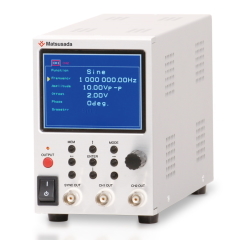
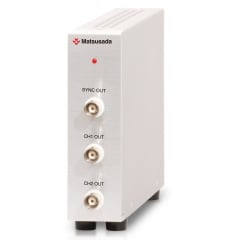
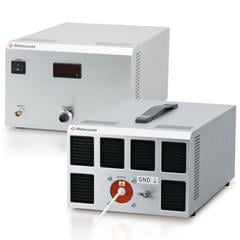
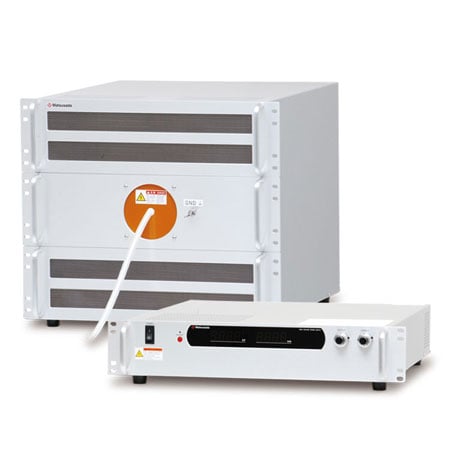
Conventionally, generating high-voltage pulses requires two separate devices: a low-voltage signal source and a high-voltage amplifier. Matsusada Precision's high-voltage pulse generators, such as the SK and SKS series, integrate these functions into a single unit. This all-in-one solution simplifies system setup while ensuring stable, high-reliability performance for demanding applications.
- Related Terms:
-
- Pulse Forming Networks (PFN)
- Pulsed Power Supplies
- Pulsed-Field Electrophoresis
- capacitor charging